
Union Budget 2026–27 Key Takeaways from Nirmala Sitharaman’s Vision for India
India’s Finance Minister, Nirmala Sitharaman, presented the Union Budget 2026–27 with a clear focus on sustaining economic momentum while strengthening social inclusion and long-term growth. Against the backdrop of global uncertainty and evolving domestic priorities, the budget outlines a roadmap that balances fiscal discipline with developmental ambition.
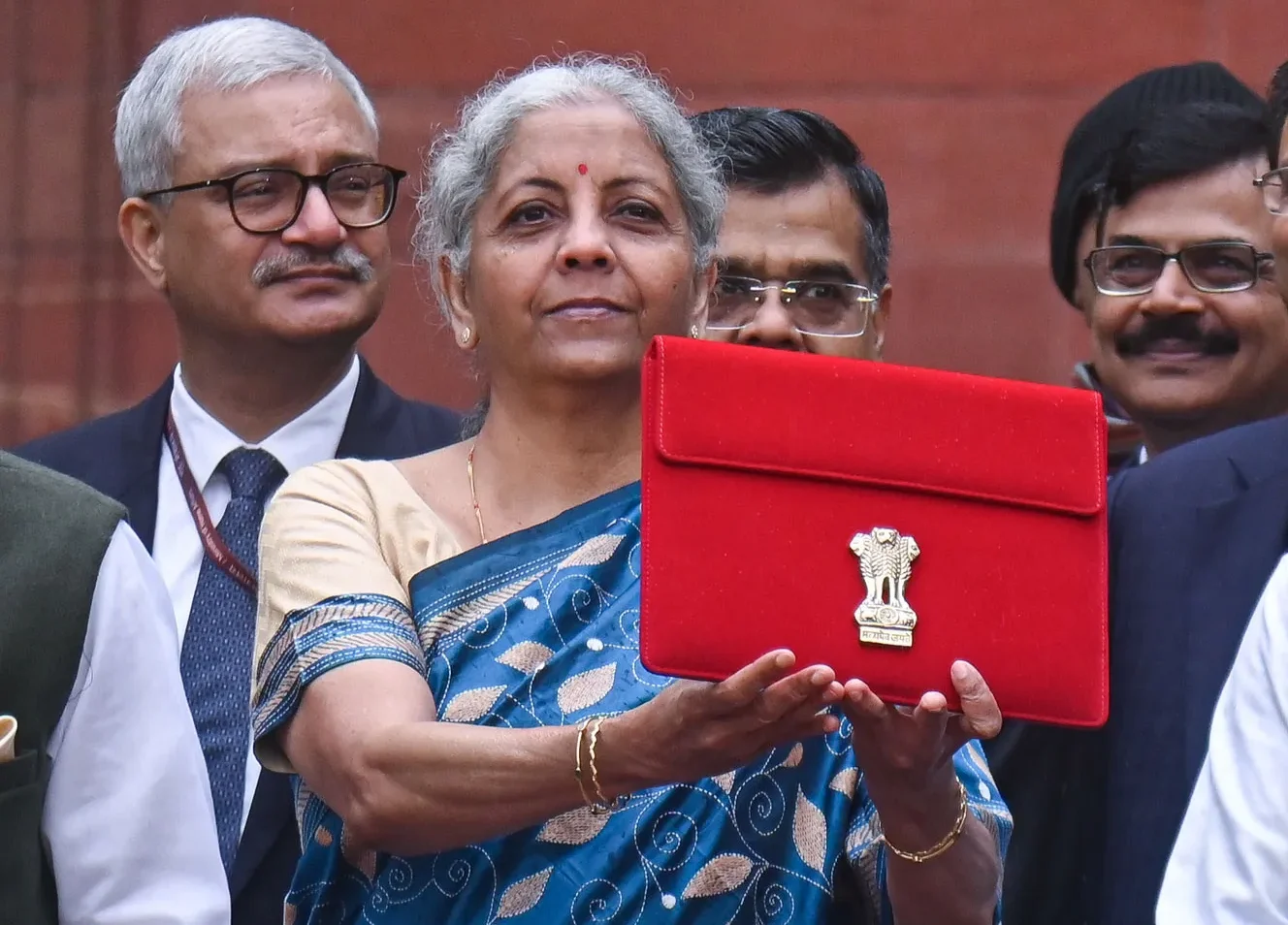
The Union Budget 2026–27 reinforces the government’s commitment to economic stability and growth. Emphasis has been placed on boosting capital expenditure, supporting infrastructure development, and encouraging private investment. Continued focus on roads, railways, logistics, and digital infrastructure signals the government’s intent to improve productivity and enhance India’s global competitiveness.
The budget also reflects confidence in India’s economic resilience, with policies designed to maintain macroeconomic stability while fostering innovation and entrepreneurship.
Focus on Middle Class and Income Support
Relief for the middle class remains a key theme. The budget introduces measures aimed at improving disposable income and simplifying compliance for taxpayers. By strengthening consumption demand, these steps are expected to support overall economic activity and provide relief amid rising living costs.
Simplification of tax structures and improved digital tax administration further underline the government’s push toward ease of living and transparency.
Strengthening Social Welfare and Inclusion
Social sector spending continues to receive strong attention in the 2026–27 budget. Allocations for healthcare, education, housing, and nutrition aim to ensure inclusive growth, particularly for vulnerable sections of society.
Targeted welfare programs, supported by digital delivery mechanisms, are expected to improve efficiency and ensure benefits reach intended recipients. Skill development and employment generation initiatives also feature prominently, especially for youth and women.
Push for Green Growth and Sustainability
Sustainability and climate-conscious growth are central pillars of this year’s budget. The government has reiterated its commitment to renewable energy, green manufacturing, and climate-resilient infrastructure. Incentives for clean energy adoption and sustainable practices highlight India’s long-term vision for environmentally responsible development.
These measures not only address climate concerns but also open new avenues for investment and job creation in emerging green sectors.
Support for MSMEs and Startups
Micro, Small, and Medium Enterprises (MSMEs) continue to be recognized as the backbone of the Indian economy. The budget introduces policy support aimed at improving credit access, reducing regulatory burdens, and enhancing market opportunities. Follow This:-भारत के शीर्ष अमीर और सफल व्यक्ति | india top 10 richest man list 2025
Startups and innovation-driven enterprises are also encouraged through funding support, research incentives, and a stable policy environment, reinforcing India’s position as a global startup hub.
Conclusion
The Union Budget 2026–27 presented by Nirmala Sitharaman reflects a balanced and forward-looking approach. By combining growth-oriented investments, social welfare initiatives, and fiscal prudence, the budget seeks to strengthen India’s economic foundation while preparing for future challenges.
As implementation unfolds, the true impact of these measures will become clearer. However, the budget sets a confident tone for India’s journey toward sustainable, inclusive, and resilient growth.
Sucribe Now:-https://shorturl.at/A3k8N