
Tim Cook: Biography, Leadership Journey, and Vision for Apple
Context
Tim Cook is the Chief Executive Officer of Apple Inc., one of the world’s most influential technology companies. He became CEO in 2011, succeeding Steve Jobs, the company’s co-founder and long-time leader. Since then, Cook has guided Apple Inc. through a period of significant expansion in revenue, global reach, and product diversification.
Born in 1960 in Alabama, Cook studied industrial engineering at Auburn University and later earned an MBA from Duke University. Before joining Apple in 1998, he worked in operations and supply chain management roles at IBM and Compaq. His background in logistics and operational efficiency became central to Apple’s global manufacturing strategy.
Cook’s leadership style differs from that of Jobs. While Jobs was widely associated with product design and innovation storytelling, Cook is often described as analytical, operations-focused, and policy-oriented. His tenure reflects a shift from founder-led vision to structured corporate governance, long-term capital allocation strategy, and ecosystem-driven growth.
Importance
Tim Cook’s leadership matters because Apple plays a central role in the global technology sector, capital markets, and digital consumer ecosystem. As CEO, Cook influences:
-
Global smartphone and consumer electronics markets
-
Digital privacy standards and data protection debates
-
Supply chain resilience across Asia, Europe, and the United States
-
Environmental, Social, and Governance (ESG) benchmarks
-
Shareholder value and corporate governance models
Under Cook, Apple expanded its services segment, including platforms like Apple Music and Apple Pay. This shift reduced reliance on hardware cycles and increased recurring revenue streams. The company also introduced new hardware categories such as Apple Watch and expanded its ecosystem strategy around subscription-based services.
Cook’s approach addresses several structural challenges in the technology industry:
-
Managing global supply chain complexity
-
Strengthening cybersecurity and privacy protection
-
Navigating antitrust investigations
-
Balancing innovation with regulatory compliance
-
Responding to geopolitical tensions affecting manufacturing
Because Apple is one of the largest publicly traded corporations, Cook’s strategic decisions also affect institutional investors, pension funds, and retail shareholders worldwide.
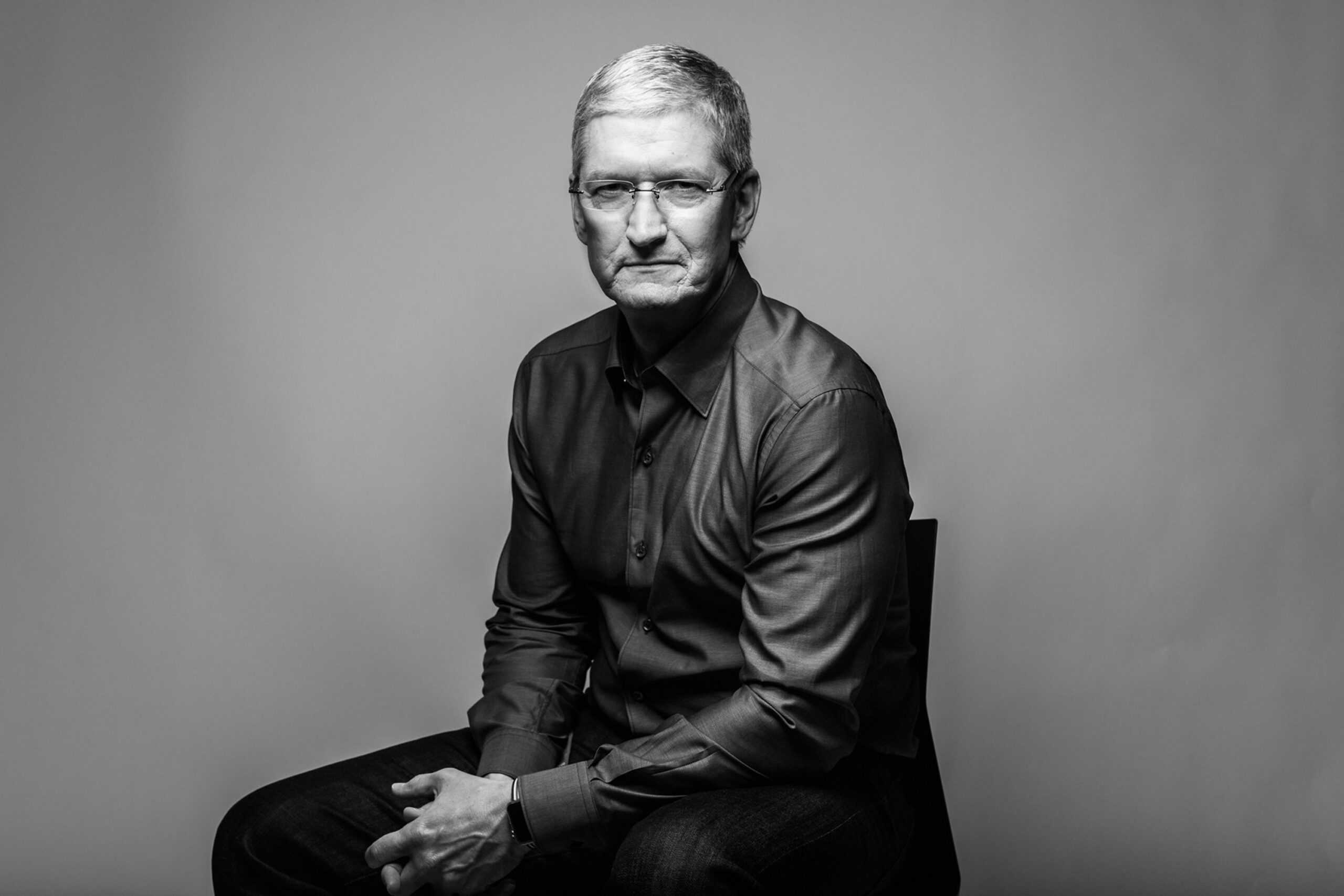
Leadership Timeline Overview Apple CEO leadership
| Year | Milestone | Strategic Impact |
|---|---|---|
| 1998 | Joined Apple | Optimized supply chain operations |
| 2011 | Became CEO | Leadership transition post–Steve Jobs |
| 2014 | Apple Watch launch | Entry into wearables market |
| 2019 | Services expansion focus | Revenue diversification |
| 2020 | Privacy labeling initiative | Strengthened user data transparency |
| 2023–2024 | AI and spatial computing focus | Long-term innovation roadmap |
Recent Updates
In 2024 and early 2025, Apple under Cook’s leadership has emphasized artificial intelligence integration, supply chain diversification, and digital privacy protections.
In June 2024, during Apple’s annual developer conference, the company highlighted new AI-powered features integrated across its operating systems. This move reflects broader industry trends influenced by competitors such as Microsoft and Google, both heavily investing in generative AI infrastructure.
Apple also continued expanding manufacturing outside China, increasing production capacity in India and Vietnam to reduce geopolitical concentration risk. This strategy aligns with global supply chain risk management principles and evolving trade policies.Like us:-The Power of Positive Thinking Explained: Benefits, Psychology, and Practical Strategies
Financially, Apple maintained strong performance in services revenue and wearables, though global smartphone demand has experienced cyclical moderation. Cook’s public communications have emphasized long-term innovation rather than short-term market volatility.
In 2024, Apple faced regulatory scrutiny in the European Union under the Digital Markets Act (DMA), requiring adjustments to app store policies and platform interoperability rules. These developments reflect increasing global oversight of large technology firms.
Regulatory Environment and Public Policy
Apple operates across multiple jurisdictions, meaning Cook must navigate complex regulatory frameworks. Key policy areas affecting the company include:
Antitrust and Competition Law
-
The European Union’s Digital Markets Act (DMA)
-
U.S. antitrust investigations by the Department of Justice
-
App Store commission structure debates
Data Protection and Privacy Regulations
-
General Data Protection Regulation (GDPR) in Europe
-
California Consumer Privacy Act (CCPA) in the United States
-
Cross-border data transfer compliance requirements
Trade and Supply Chain Policies
-
U.S.–China trade relations
-
Semiconductor export controls
-
Import/export tariffs
Cook has publicly advocated for comprehensive federal privacy legislation in the United States. Under his leadership, Apple introduced App Tracking Transparency (ATT), requiring user consent for cross-app tracking. This policy significantly influenced digital advertising practices and platform data governance.
Environmental regulation also affects Apple’s manufacturing and reporting standards. The company has committed to carbon neutrality goals and expanded sustainability disclosures in line with ESG reporting frameworks.
Strategic Vision
Cook’s vision for Apple centers on five pillars:
-
Ecosystem integration
-
Privacy as a competitive differentiator
-
Services-based recurring revenue
-
Environmental sustainability
-
Long-term research and development
Rather than focusing solely on flagship products like the iPhone, Cook emphasizes platform synergy between hardware, software, and cloud services. This strategy increases switching costs and customer retention across Apple’s installed base.
His management philosophy reflects operational discipline, capital return programs (including dividends and share repurchases), and incremental innovation cycles. Analysts often describe this as institutionalized innovation rather than founder-driven disruption.
Revenue Mix Evolution
Below is a simplified representation of Apple’s revenue structure shift under Cook’s leadership:
Hardware: ██████████████████
Services: █████████
Wearables & Accessories: ██████
This visualization shows diversification beyond core smartphone revenue, with services becoming a material growth segment.
Tools and Resources
Researchers, investors, and students interested in understanding Tim Cook’s leadership and Apple’s business model can consult the following resources:
-
Apple Inc. Investor Relations website
-
U.S. Securities and Exchange Commission (SEC) filings (Form 10-K and 10-Q)
-
Environmental Progress Reports published annually by Apple
-
Earnings call transcripts for financial performance analysis
-
Industry research from Gartner and IDC on smartphone market trends
-
Books analyzing Apple’s corporate evolution, including biographies related to leadership transition
For financial analysis and corporate governance research, tools such as:
-
SEC EDGAR database
-
Yahoo Finance financial statements
-
Bloomberg Terminal (institutional access)
-
Corporate sustainability reports
These resources help evaluate Apple’s strategy using measurable performance indicators such as gross margin, operating income, and services revenue growth.
Frequently Asked Questions
Who is Tim Cook?
Tim Cook is the CEO of Apple Inc. He assumed the role in August 2011 following Steve Jobs’ resignation due to health reasons.
How is Tim Cook’s leadership different from Steve Jobs?
Jobs was closely associated with breakthrough product design and charismatic product launches. Cook is more operations-focused, emphasizing supply chain optimization, financial discipline, and regulatory engagement.
What are Tim Cook’s main strategic priorities?
His priorities include ecosystem expansion, digital privacy, sustainability goals, recurring services revenue, and long-term research in areas like artificial intelligence and spatial computing.
How has Apple changed under Tim Cook?
Apple’s market capitalization increased substantially during his tenure. The company expanded into wearables, financial technology, and subscription services while strengthening ESG reporting standards.
Is Apple affected by government regulation?
Yes. Apple must comply with antitrust, privacy, trade, and environmental regulations across the United States, European Union, and other jurisdictions. Regulatory compliance plays a central role in corporate strategy.
Conclusion
Tim Cook’s tenure as CEO represents a significant chapter in Apple’s corporate evolution. While inheriting leadership from a founder-driven era, Cook institutionalized operational excellence, financial discipline, and ecosystem-based growth.
His strategy reflects broader technology industry trends: supply chain resilience, privacy-centered digital governance, recurring revenue expansion, and environmental accountability. In a period marked by regulatory scrutiny and rapid innovation cycles, Cook’s leadership model illustrates how global corporations adapt to economic, technological, and geopolitical complexity.
Understanding Tim Cook’s biography and leadership journey provides insight not only into Apple’s transformation but also into how modern multinational corporations balance innovation, compliance, shareholder value, and long-term strategic planning in the digital economy.
Follow us:-https://shorturl.at/xFKne

One thought on “Tim Cook: Biography, Leadership Journey, and Vision for Apple”
Comments are closed.