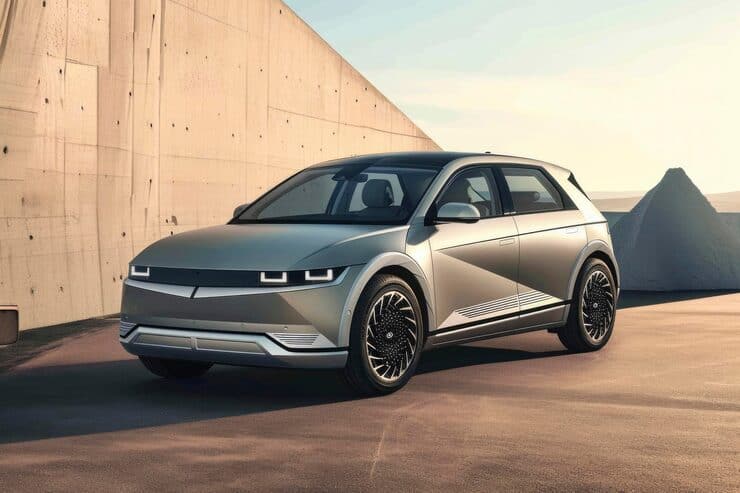
Hyundai Ioniq 5 Guide: Features, Range, Tips, Insights & Buying Advice
Understanding the Hyundai Ioniq 5 and Its Purpose
The Hyundai Ioniq 5 is a battery electric vehicle (BEV) designed as part of a broader shift toward sustainable mobility. It is built on a dedicated electric platform, which allows for improved battery placement, cabin space, and energy efficiency compared to conventional internal combustion vehicles.
Electric vehicles like the Ioniq 5 exist to reduce dependence on fossil fuels, lower tailpipe emissions, and align with global climate targets. Governments, manufacturers, and energy sectors are increasingly focusing on electrification as a long-term solution for transportation.
Key features typically associated with this model include:
-
Long-range lithium-ion battery technology
-
Fast charging capability using DC infrastructure
-
Regenerative braking systems
-
Advanced driver assistance systems (ADAS)
-
Digital cockpit with connected car technology
The design philosophy combines sustainability with modern mobility, offering a quiet driving experience and reduced environmental impact.
Why Electric Vehicles Like Ioniq 5 Matter Today
The relevance of electric vehicles has grown due to environmental, economic, and technological factors. Urban areas face increasing air pollution, and transportation is a major contributor to greenhouse gas emissions.
Electric vehicles address several key challenges:
-
Air Pollution Reduction: Zero tailpipe emissions help improve urban air quality
-
Energy Efficiency: Electric drivetrains are more efficient than internal combustion engines
-
Lower Maintenance Complexity: Fewer moving parts reduce long-term servicing needs
-
Energy Diversification: Reduced dependence on imported fuels
In India and globally, EV adoption is influenced by:
-
Rising fuel prices
-
Expanding charging infrastructure
-
Policy incentives and environmental regulations
For consumers, EVs like the Ioniq 5 provide an alternative mobility solution that aligns with sustainability goals while integrating advanced automotive technology.
Recent Updates and Trends in Electric Mobility (2025–2026)
The electric vehicle ecosystem has evolved rapidly over the past year, with notable developments:
-
Battery Technology Advancements (2025): Improvements in energy density and thermal management have increased real-world range and safety
-
Charging Network Expansion (2025–2026): Public fast-charging stations have increased across highways and urban areas in India
-
Software Updates and Connectivity: Vehicles now receive over-the-air (OTA) updates for performance optimization and feature upgrades
-
Global EV Adoption Growth: Major markets such as Europe and China reported continued EV adoption growth through 2025
-
India EV Push (2025 Budget Announcements): Continued emphasis on EV ecosystem development, including charging infrastructure
Charging speeds and range performance have become central differentiators. The Ioniq 5, for example, supports ultra-fast charging under optimal conditions, reducing downtime during long-distance travel.
Regulations and Government Policies Affecting EVs in India
Electric vehicles are strongly influenced by national and regional policies. In India, several frameworks shape EV adoption: Like us:-Tesla Model Y: Complete Guide to Features, Range, Technology, Pricing, and Key Facts
-
FAME II Scheme (Faster Adoption and Manufacturing of Electric Vehicles):
Provides incentives for EV adoption and supports infrastructure development -
State EV Policies:
States like Gujarat, Maharashtra, and Delhi offer additional benefits such as subsidies and registration advantages -
GST on EVs:
Reduced tax rate (currently lower than conventional vehicles) to promote adoption -
Charging Infrastructure Guidelines:
Government allows private and public entities to set up charging stations without licensing barriers -
Battery Recycling Rules:
Policies introduced to manage battery lifecycle and environmental impact
These policies aim to create an ecosystem that supports manufacturing, adoption, and sustainability while addressing infrastructure challenges.
Tools, Platforms, and Resources for EV Owners
Managing and understanding an electric vehicle is easier with digital tools and platforms. Useful resources include:
-
Charging Network Apps:
-
PlugShare – Helps locate nearby charging stations
-
Tata Power EZ Charge – Provides access to charging infrastructure across cities
-
-
Route Planning Tools:
-
EV route planners estimate range, charging stops, and travel time
-
-
Battery Monitoring Systems:
-
Built-in vehicle dashboards provide real-time battery health and range estimation
-
-
Government Portals:
-
EV policy websites for subsidy and compliance information
-
-
Energy Consumption Calculators:
-
Tools that estimate electricity usage based on driving patterns
-
These tools enhance usability and help drivers make informed decisions about travel and energy use.
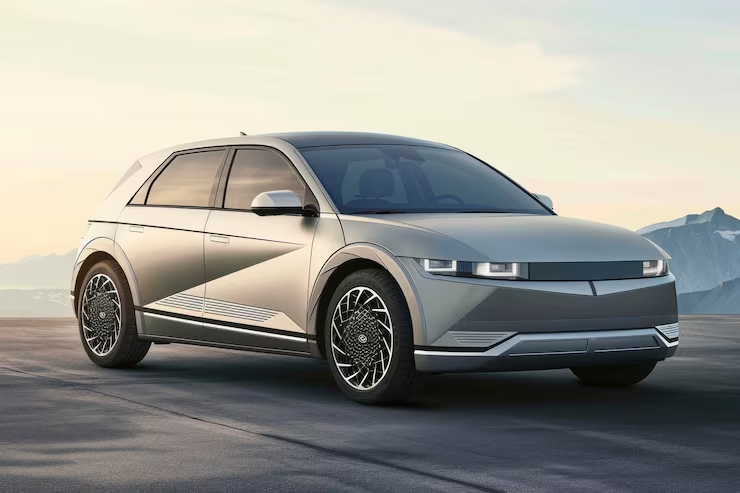
Key Specifications Overview
| Feature Category | Details (Typical for Ioniq 5) |
|---|---|
| Battery Type | Lithium-ion |
| Range (Approx.) | 450–630 km (variant dependent) |
| Charging Time (Fast) | ~18–30 minutes (10%–80%) |
| Drive Options | RWD / AWD |
| Platform | Dedicated EV architecture |
| Interior Space | Flat floor, extended wheelbase |
Charging and Range Insights
Understanding EV charging is essential for practical use:
-
Home Charging:
Suitable for daily usage; slower but convenient -
Public Fast Charging:
Ideal for highways and long-distance travel -
Range Influencers:
-
Driving speed
-
Climate conditions
-
Terrain
-
Use of air conditioning
-
A simplified representation of range efficiency factors:
Temperature ↓ → Battery Efficiency ↓ → Range ↓
Regenerative Braking ↑ → Energy Recovery ↑ → Range ↑
Efficient driving habits can significantly improve real-world performance.
Frequently Asked Questions
What is the real-world driving range of the Hyundai Ioniq 5?
Real-world range varies depending on driving conditions, typically falling between 400–550 km per charge under mixed usage.
How long does it take to charge an electric vehicle like this?
Charging time depends on the charger type. Fast chargers can recharge up to 80% in under 30 minutes, while home charging may take several hours.
Is EV maintenance different from petrol or diesel vehicles?
Yes, EVs generally require less maintenance because they have fewer mechanical components and no engine oil or exhaust systems.
Are electric vehicles suitable for long-distance travel?
Yes, with proper planning and access to charging stations, long-distance travel is increasingly feasible.
What factors affect battery life in electric vehicles?
Battery lifespan is influenced by charging habits, temperature exposure, and usage patterns. Most modern EV batteries are designed to last several years.
Conclusion
The Hyundai Ioniq 5 represents a shift toward next-generation mobility powered by electricity, digital systems, and sustainable engineering. As infrastructure improves and policies continue to support adoption, electric vehicles are becoming a practical choice for everyday transportation.
Understanding features, charging systems, regulations, and tools allows users to adapt effectively to this evolving ecosystem. With ongoing technological advancements and increasing awareness, electric mobility is positioned to play a central role in the future of transportation.
Follow us:-https://shorturl.at/xFKne