
Satya Nadella Biography
Introduction: Understanding Satya Nadella’s Leadership Journey
Satya Nadella is an Indian-American business executive best known as the Chief Executive Officer of Microsoft. His biography represents more than a personal success story; it reflects the transformation of one of the world’s largest technology corporations during a time of rapid digital change.
Born in Hyderabad, India, Nadella studied engineering before moving to the United States for higher education. He earned a master’s degree in computer science from the University of Wisconsin–Milwaukee and later completed an MBA at the University of Chicago Booth School of Business. His technical and managerial education laid the foundation for his leadership in enterprise software, cloud computing, and artificial intelligence.
Nadella joined Microsoft in 1992. Over the next two decades, he worked across divisions including Windows NT, online services, and server technologies. Before becoming CEO in 2014, he led Microsoft’s cloud and enterprise group, playing a central role in building the company’s cloud infrastructure platform, Azure.
His biography exists within the broader context of digital transformation. When Nadella became CEO, Microsoft faced stagnation in mobile computing and intense competition from companies such as Apple Inc., Google LLC, and Amazon. His leadership marked a shift toward cloud computing services, artificial intelligence, and cross-platform software ecosystems.
Why Satya Nadella’s Leadership Matters Today
Satya Nadella’s leadership matters because it reshaped Microsoft’s corporate strategy and influenced the global technology industry.
Under his direction, Microsoft pivoted from a Windows-centric model to a cloud-first, mobile-first strategy. This shift helped expand Microsoft Azure into one of the leading cloud computing platforms worldwide. Cloud infrastructure, enterprise software solutions, and AI-powered services now drive significant revenue streams.
His leadership affects multiple stakeholders:
-
Enterprise customers relying on secure cloud computing infrastructure
-
Software developers building applications on Azure
-
Investors monitoring corporate governance and long-term growth
-
Governments engaging with digital security and data compliance frameworks
Nadella also emphasized a growth mindset culture within Microsoft. He encouraged collaboration across departments and promoted inclusivity, reshaping the company’s internal management philosophy.
From a business leadership perspective, his tenure demonstrates how large organizations can adapt to disruption. Microsoft expanded into subscription-based services, strengthened its enterprise software portfolio, and integrated artificial intelligence into products such as Microsoft 365 and Azure AI.
His approach addressed several challenges:
-
Slowing innovation cycles
-
Competitive cloud computing markets
-
Security and privacy concerns
-
The need for scalable digital infrastructure
By aligning corporate strategy with emerging technologies, Nadella positioned Microsoft at the center of global digital transformation.
Career Growth Timeline
Below is a simplified overview of key milestones in Satya Nadella’s career at Microsoft:
| Year | Role | Key Contribution |
|---|---|---|
| 1992 | Joined Microsoft | Worked on Windows NT development |
| 2011 | President, Server & Tools | Expanded enterprise and cloud services |
| 2014 | Microsoft CEO | Shifted to cloud-first strategy |
| 2021 | Chairman | Strengthened corporate governance |
Recent Developments and Industry Trends
In the past year, Microsoft has intensified its focus on generative artificial intelligence and AI-powered productivity tools. Like us:-Mark Zuckerberg Biography Explained: Career, Net Worth Insights, Business Strategy & Meta Platforms Overview
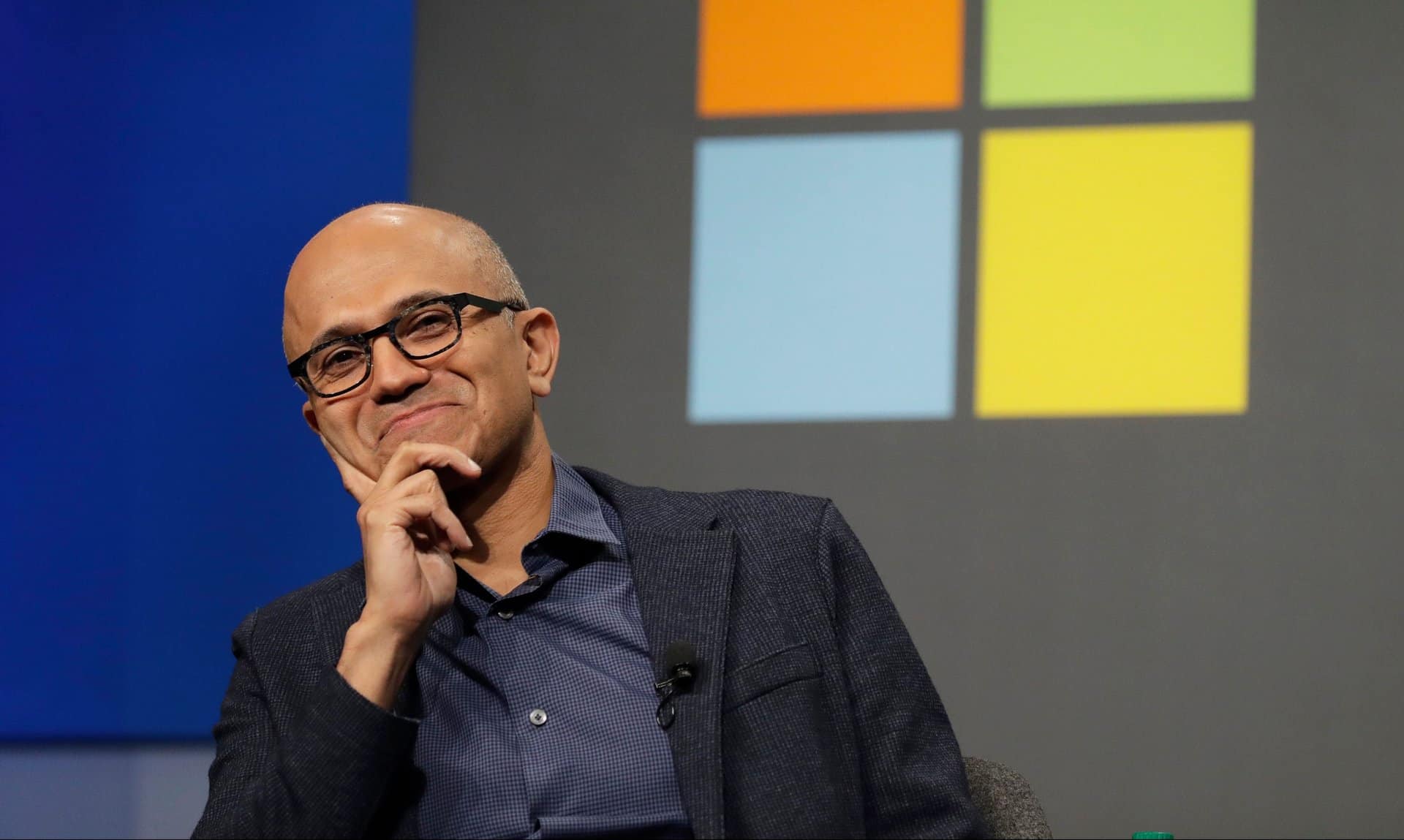
business leadership In 2023 and 2024, Microsoft expanded its collaboration with OpenAI, integrating AI capabilities into products such as Microsoft Copilot. These AI-driven systems assist with content creation, data analysis, and workflow automation within enterprise environments.
In January 2024, Microsoft surpassed a major market capitalization milestone, reflecting investor confidence in its AI and cloud strategy. The company also continued expanding global data centers to support regulatory compliance and enterprise demand.
Cybersecurity investments increased following global concerns about data protection and digital infrastructure resilience. Microsoft strengthened its security frameworks in response to evolving threats.
Key recent trends include:
-
Generative AI adoption in enterprise software
-
Expansion of hybrid cloud infrastructure
-
Increased focus on cybersecurity compliance
-
Responsible AI governance initiatives
Nadella frequently emphasizes responsible innovation, aligning product development with ethical AI standards.
Laws, Regulations, and Policy Influence
As CEO of a multinational technology corporation, Nadella operates within complex regulatory environments.
Microsoft must comply with data protection laws such as:
-
The European Union’s General Data Protection Regulation (GDPR)
-
U.S. federal and state privacy frameworks
-
India’s Digital Personal Data Protection Act
These regulations influence how cloud services manage user data, security, and transparency.
In the United States, technology companies face antitrust scrutiny. Microsoft’s acquisitions and partnerships are subject to regulatory review by agencies such as the Federal Trade Commission.
Additionally, artificial intelligence governance is becoming a policy priority globally. Governments are developing frameworks for responsible AI use, algorithmic accountability, and digital safety. Microsoft has publicly supported structured AI regulation, promoting transparency and risk assessment.
Public sector cloud contracts also require compliance with national cybersecurity standards. Nadella’s leadership emphasizes alignment with international regulatory expectations to maintain trust across global markets.
Tools and Resources Related to Leadership and Technology Strategy
For readers interested in business leadership, digital transformation, or enterprise technology, the following tools and resources are relevant:
-
Microsoft Azure Documentation – Cloud computing architecture and deployment guides
-
Microsoft Learn – Technical training modules on AI, cybersecurity, and cloud services
-
LinkedIn Learning – Courses on corporate governance and executive leadership
-
Harvard Business Review – Research articles on management strategy
-
U.S. Securities and Exchange Commission (SEC) Filings – Corporate governance reports
Books and references:
-
Hit Refresh by Satya Nadella – Insights into Microsoft’s transformation
-
Annual Microsoft Reports – Financial and strategic disclosures
Professional tools:
-
Azure Pricing Calculator (for infrastructure estimation)
-
Power BI dashboards for enterprise data analytics
-
AI model governance frameworks
These resources help readers understand how leadership intersects with enterprise software strategy and digital innovation.
Frequently Asked Questions
Who is Satya Nadella?
Satya Nadella is the CEO and Chairman of Microsoft. He is known for leading the company’s transformation toward cloud computing and artificial intelligence.
When did Satya Nadella become CEO of Microsoft?
He became CEO in February 2014, succeeding Steve Ballmer.
What is Satya Nadella’s leadership style?
His leadership style emphasizes empathy, collaboration, and a growth mindset. He promotes continuous learning and innovation within corporate culture.
How did Nadella change Microsoft’s strategy?
He shifted the focus from primarily Windows-based software to cloud services, AI integration, subscription platforms, and cross-device compatibility.
What is Microsoft’s vision under Nadella?
The company’s vision centers on empowering individuals and organizations through secure cloud computing, AI innovation, and productivity platforms.
Broader Impact on the Global Technology Industry
Nadella’s tenure reflects broader structural shifts in the technology sector. Cloud infrastructure now underpins digital services, from e-commerce to government systems. Artificial intelligence tools enhance productivity, analytics, and automation across industries.
Microsoft’s expansion into hybrid cloud services demonstrates how enterprises manage both on-premises and remote infrastructure. This hybrid model supports flexibility while meeting compliance standards.
His biography also illustrates the globalization of executive leadership. As an Indian-born executive leading a U.S.-based multinational corporation, Nadella represents the interconnected nature of modern technology ecosystems.
Market analysts frequently cite Microsoft’s renewed competitiveness in cloud computing as a case study in strategic reinvention. The company’s performance since 2014 highlights the impact of adaptive leadership and long-term technology investment.
Conclusion
Satya Nadella’s biography is closely tied to Microsoft’s evolution during a transformative era in the technology industry. From his early engineering education to his role as CEO and Chairman, his career demonstrates how leadership, technical expertise, and strategic clarity can reshape a global corporation.
His emphasis on cloud computing, artificial intelligence leadership, cybersecurity, and corporate governance has positioned Microsoft as a central player in digital transformation. Regulatory compliance, ethical AI practices, and enterprise innovation remain key components of this vision.
For readers interested in business leadership, enterprise software, and technology strategy, Nadella’s journey offers insights into navigating disruption and fostering innovation responsibly.
Follow us:-https://shorturl.at/xFKne


One thought on “Satya Nadella Biography Leadership Journey, Career Growth, and Microsoft Vision”
Comments are closed.